


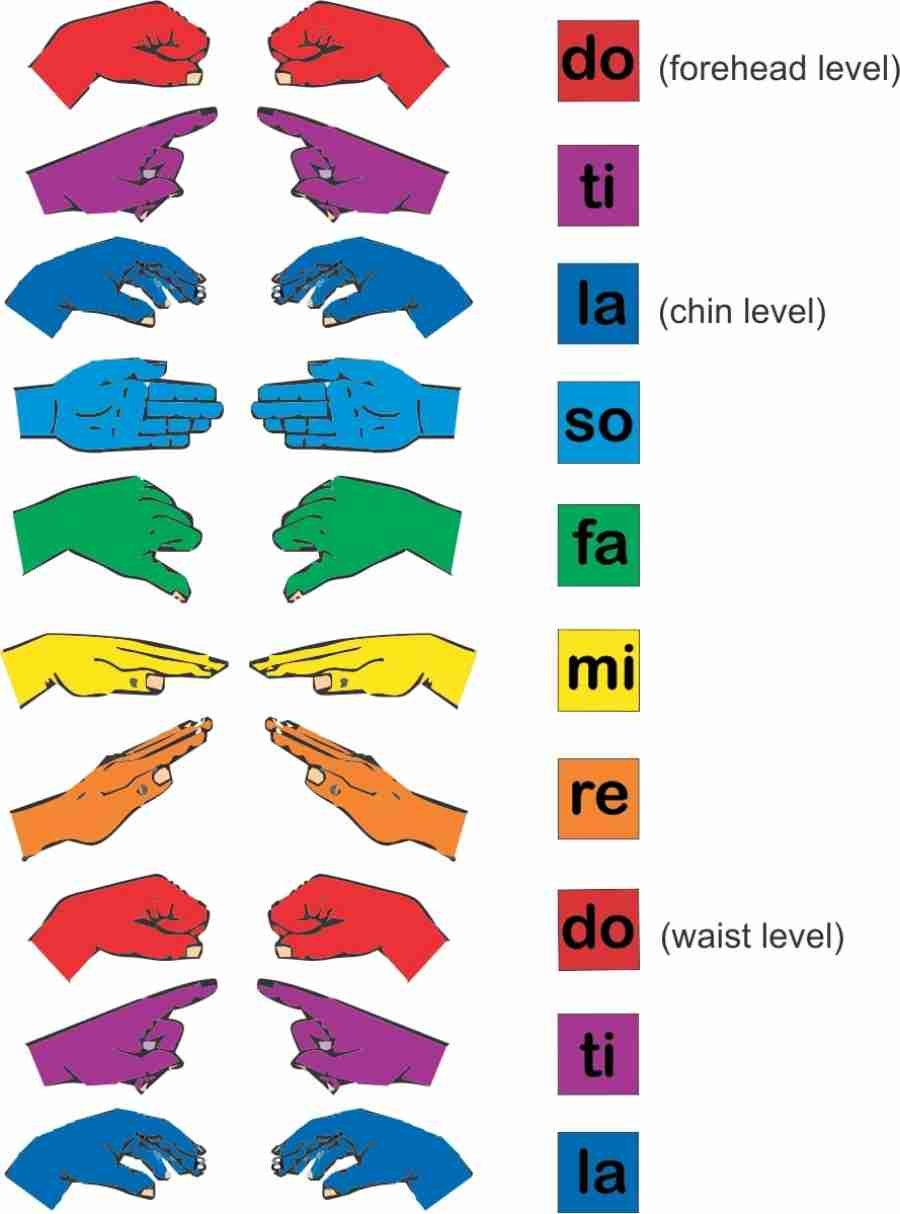
Solfege hand signs are a vital tool for musicians – they visually represent musical pitches in a tangible way. These signs serve as a bridge between what we hear and what we see, aiding in musical learning and expression. By associating specific hand gestures with distinct tones, solfege hand signs help singers and instrumentalists internalize pitch relationships effortlessly. Mastering these signs opens up a world of possibilities in ear training and music education, enhancing your musical journey.

Solfege Hand Signs: A Fun Way to Learn Music
Welcome, music lovers! Have you ever heard of solfege hand signs? If you haven’t, you’re in for a musical treat! Solfege hand signs are a fantastic tool that can help you learn music in a whole new way. In this article, we’ll dive deep into the world of solfege hand signs, exploring what they are, how they are used, and why they are so important for budding musicians like you.
What Are Solfege Hand Signs?
Solfege hand signs are hand gestures that correspond to the different pitches of the solfege scale. The solfege scale is a musical scale that assigns a syllable to each note, making it easier to sing and understand music. The most common solfege syllables are do, re, mi, fa, sol, la, and ti.
Each solfege syllable is associated with a specific hand sign, making it easier for singers to not only sing the notes but also visualize and internalize them through physical gestures. These hand signs are like a secret language that only musicians understand, and once you learn them, you’ll feel like a musical wizard!
History of Solfege Hand Signs
Solfege hand signs have been around for centuries and are an integral part of music education in many cultures. The system of solfege itself dates back to the Middle Ages when the Italian monk Guido d’Arezzo developed a way to teach singers how to sight-read music.
Over time, solfege hand signs became popular in music education as a way to reinforce the solfege syllables and help students develop a deeper understanding of musical intervals and relationships between notes. Today, solfege hand signs are widely used in schools, choirs, and music programs around the world.
How to Use Solfege Hand Signs
Using solfege hand signs is easy and fun! When you see a musical note on a staff or hear a melody, you can sing the corresponding solfege syllable while making the associated hand sign. For example, when you see a C note, you would sing “do” and make the do hand sign, which is usually a closed fist near your chest.
As you practice using solfege hand signs, you’ll start to recognize patterns in music and develop a strong sense of pitch and harmony. It’s like a musical puzzle that you get to solve with your hands and voice, making learning music a playful and engaging experience.
The Benefits of Learning Solfege Hand Signs
Learning solfege hand signs offers a myriad of benefits for musicians of all levels. Here are some of the key advantages:
Enhances Musical Memory
By associating each note with a specific hand sign and syllable, you strengthen your musical memory and make it easier to remember melodies and harmonies. This can be incredibly useful when learning new songs or pieces of music.
Improves Pitch Recognition
Practicing solfege hand signs helps you develop a keen ear for pitch and intonation. You’ll become better at discerning different notes and intervals, which is essential for singing in tune and playing instruments accurately.
Builds Music Theory Knowledge
Understanding solfege hand signs deepens your knowledge of music theory by providing a tangible way to connect abstract concepts to physical actions. This hands-on approach can make complex musical ideas more accessible and understandable.
Fosters Expressive Singing
When you use solfege hand signs, you engage both your mind and body in the music-making process, leading to more expressive and dynamic performances. The physicality of the hand signs can help you convey emotions and nuances in your singing.
Fun Ways to Practice Solfege Hand Signs
Now that you know the benefits of learning solfege hand signs, here are some exciting ways to practice and master them:
Play Simon Says
Turn learning solfege hand signs into a game of Simon Says! Have a friend or family member call out solfege syllables, and you respond by making the correct hand sign. It’s a fun and interactive way to test your musical memory.
Create a Hand Sign Dance
Get creative and choreograph a dance routine using solfege hand signs. Each hand sign can represent a different movement or pose, adding a visual element to your musical performance. You’ll have a blast dancing and singing at the same time!
Compose a Solfege Song
Write your own song using solfege syllables and hand signs. You can create catchy melodies and clever lyrics that showcase your musical skills. Don’t forget to perform your masterpiece for an audience – they’ll be impressed by your creativity!
In Conclusion
So there you have it – an in-depth look at the fascinating world of solfege hand signs. Learning these hand signs is not only educational but also heaps of fun! Whether you’re a seasoned musician or just starting your musical journey, incorporating solfege hand signs into your practice routine can enhance your musical abilities and make learning music an enjoyable experience.
Next time you’re singing or playing an instrument, don’t forget to throw in some solfege hand signs – you’ll be amazed at how much they can elevate your musical performance. Happy practicing!
Learn Solfege Hand Signs w/ Mr. Rob | Prodigies Music Lessons | Preschool & K-5 Music Education
Frequently Asked Questions
What are solfege hand signs used for?
Solfege hand signs are used as a visual aid to help singers learn and remember the syllables of the solfege system (Do, Re, Mi, Fa, Sol, La, Ti, Do). These hand signs correspond to each syllable and are commonly used in vocal training and music education.
How can solfege hand signs improve singing skills?
By incorporating solfege hand signs into vocal practice, singers can enhance their ability to internalize pitch relationships, improve their ear training, and develop muscle memory for different notes and intervals. This can lead to better pitch accuracy and overall musical proficiency.
Are solfege hand signs the same across different music education systems?
While the basic concept of solfege hand signs remains consistent (associating hand gestures with musical syllables), there might be slight variations in the specific signs used depending on the music education system or instructor. It is essential to familiarize oneself with the specific hand signs being taught in a particular context.
Final Thoughts
In summary, solfege hand signs are essential tools for musicians. They provide a visual representation of musical notes, aiding in understanding and memorization. By incorporating solfege hand signs into practice, musicians can enhance their music reading skills and internalize the relationships between notes. Overall, mastering solfege hand signs is a valuable asset for any musician striving to improve their musical abilities.