


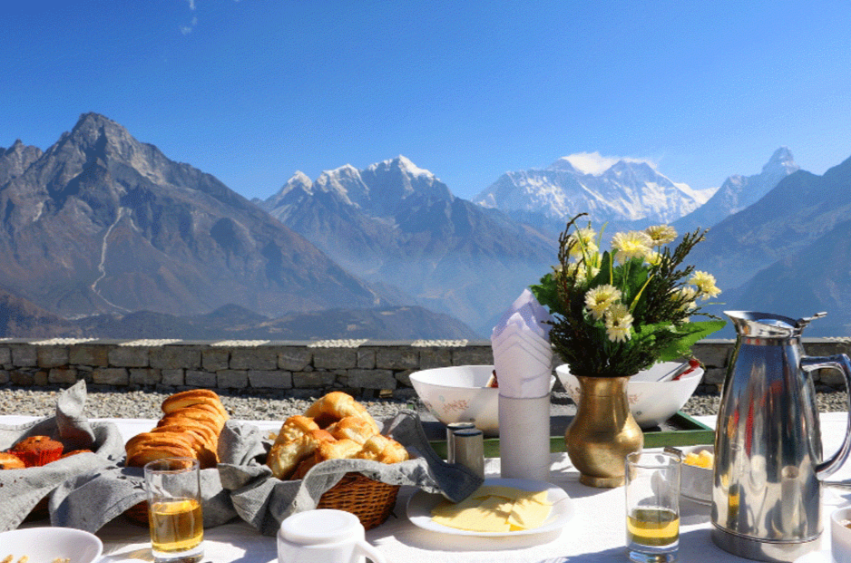
It’s not just a physical challenge, but it’s a trek through one of the most culturally rich regions of the world. Trekking through fabulous scenery, visiting big monasteries in the region, and beautiful Sherpa villages while trekking directly beneath the majestic peaks of the world’s highest mountain, Mt. Everest (8848m), it is one of the most challenging treks in the world. Appreciate and respect the local culture – you might find it adds to your pilgrimage and is respectful to the people who live in this sacred place.
Whether you’re trekking independently or as part of a package EBC trek, there’s information about the Everest Base Camp Trek that can help you get closer to other people and make your time enjoyable for everyone involved. Get Started: The Ultimate Guide To Respecting And Embracing Local Culture During Your Everest Base Camp Trek
Immerse Yourself in Sherpa Culture
The Sherpas are the lifeblood of the Everest area. Sherpas are known the world over as the elite mountaineers and experts in the hospitality and spirituality of the mountains. Just as I indicated on your Everest Base Camp Trek Itinerary route, ensure you learn about their Buddhist religion, culture, as well as their value.
Prayer flags flap in the breeze along the trails, mani stones are carved with sacred mantra,,s and monasteries are home to monks who recite ancient prayers. Instead, don’t just pass through them, rather stop and admire them, linger a while. You make shopping for food an ego issue. To be courteous, considerate, instead of thinking about what you’d like to eat, ask the natives how they eat, and you will be filled with their pride.
Dress Modestly and Appropriately
You will need your trekking gear for your comfort and especially your safety (the trek is tough), but be aware that you are walking through conservative, pious villages. Don’t wear overly revealing or ornate clothes when in any settlements. Clothing is one modest act; it also shows the local culture that you respect them and that you can blend more easily into the crowd.
What to put on whilst traveling to temples/spiritual places. While visiting monasteries or any religious area, you need to cover your shoulders and knees. Getting rid of one’s hat and glasses at some stage in one’s worship provider is a sign of appreciation, too, and that admiration goes a long way,” Lacovara stated. This kind of thing represents a cultural sensitivity that people appreciate in host communities.
See the Value of Spiritual Places
Monasteries like Tengboche Monastery are not tourist sites in the traditional sense— they are operating religious institutions and spaces of worship. And while there, tread softly, whisper, and don’t disrupt anything when in there. The use of cameras, although not mobile phones, is often prohibited in the prayer halls – always ask permission before taking a photograph.
Attending the prayer rituals when invited might indeed be a profound experience, but do so from the heart and with humility! Look at what the monks and other devotees do, and do like they do, and respect local traditions.
How to behave respectfully in and around prayer flags and mani stones
The prayer flags and the mani stones are not there simply for decoration; they carry prayers and blessings for the good of all living things. Passing prayer flags. The hello is with a moment of silence, or a small bow. Circumnavigate Mani walls to the right and spin prayer wheels clockwise, as they are believed to be sending out positive energy.
Do not walk directly on prayer flags or mani stones, and don’t get pushy with sacred objects. And to see this amazing display of respect will connect you to the soul of a very sacred place, and thousands of pilgrims.
Respect Local Beliefs and Behaviors
The old and the community elders are highly respected in the Sherpa community. You’ll go a long way if you meet someone with a small bow and a big, warm smile. Handshakes are getting more common, but not always standard. When taking photos of local people (and children), always ask first; some might be very shy or do not want to be photographed.
Try not to hold hands or show affection outwardly, as it can kind of offend the heaving masses of old hillbillie folk in traditional mountain towns. It might take some patience, some politeness, and the ability to accept the fact that you may have to adjust your communication style—listen and observe how others maneuver that awkward cultural waterway!
Support Local Economy Responsibly
By signing up for the Everest Base Camp Trek, you are helping those people to directly support their families. Purchasing souvenirs, food, and services from Sherpa proprietors helps keep a community alive. But do choose ethically made pieces and just say no to products made from endangered wildlife or unsustainable materials.
Stay in local teahouses and guesthouses as much as you can and contribute to the local economy. Respect property and possessions – remember that resources are limited (water, fuel) in this mountain environment.
Props for maintaining both environment and culture
They are maintaining and preserving the environment and culture a;ive, most of the villages of the Everest Base Camp Trek are doing a good job. Encourage Regulated Trekking – Use designated trails, pack out your trash, and reduce plastic waste.
Don’t touch murals, sculptures, or old texts when you visit cultural sites. That photography should be fine a nd unnoticeable.
Extract Nepali or Sherpa language phrases following are some of the most commonly used Nepali phrases extracted.
An effort to speak the local language — a simple “Namaste,” “Tashi Delek” (a typical Sherpa greeting), or any other greeting that demonstrates that you’ve tried to make an effort — goes a long way in creating immediate goodwill. Townspeople respect tourists who need to bridge the chasms, and it’s a gesture of acknowledgment and respect for who they may be.
Even fundamental terms like thank you, I’m sorry, and hiya enrich your enjoyment and your knowledge of the neighborhood tradition.
Be an affected person and Open-Minded.
Life proceeds in a more leisurely, considered way inside the Everest vicinity than it does above for many visitors. There can be delays, there will be outages, there could be inconveniences, and you will provide endurance and understanding.
Be receptive to new stories and new ideas. The trek to Everest Base Camp is just as much of a journey into oneself as it is a test of physical endurance. Your travels will be a lot more enjoyable due to the simple reason of having learned to appreciate the local culture with an attitude of curiosity and respect.
Sum Up: Walk With the Dignified Loved
Respecting the local traditions when you trek to Everest Base Camp certainly does complement every aspect of the travel you are looking for. It makes the hike more than a physical challenge; it is a cultural pilgrimage. While planning your trip, computing the Everest Base Camp Trek Price and your EBC Trek Cost is part of the exercise – bear in mind what you leave in your wake to become the legacy of your trek.
Schlep the trails with humble grace — and gratitude. Allow its culture, that of the Khumbu, to open your heart as much as the mountain views will widen your eyes. In doing so, you will honour the local people whilst making even more of your encounter with this spectacular part of the world.