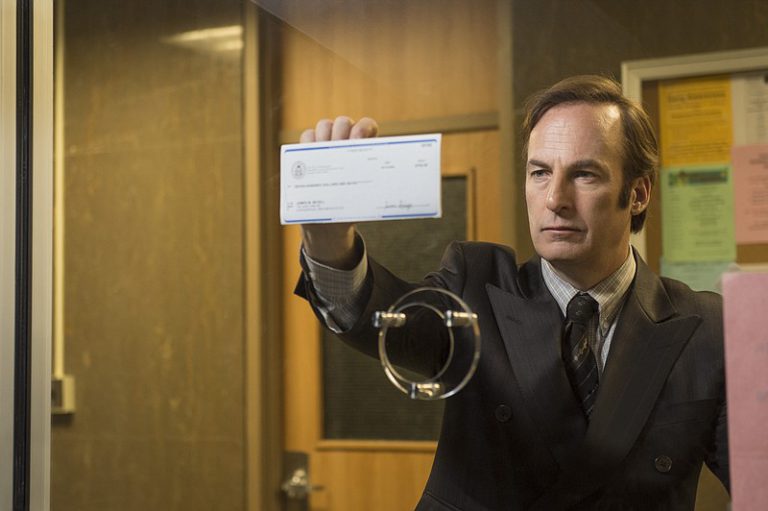


Business casual vs business professional – the eternal wardrobe dilemma. Picture this: you have a big presentation tomorrow, but you’re unsure whether to go for a crisp suit or a more relaxed ensemble. Sound familiar? In this blog, we delve into the key differences between business casual and business professional attire. Let’s navigate the nuances together and uncover the perfect outfit for every work setting.

Business Casual vs Business Professional
When it comes to dressing appropriately for work, understanding the distinction between business casual and business professional attire is crucial. Both styles have their own set of guidelines and purposes in the workplace, and knowing when to wear each can greatly impact how you are perceived by colleagues and superiors. In this comprehensive guide, we will delve into the nuances of business casual versus business professional attire, helping you navigate the world of office fashion with confidence.
Understanding Business Casual Attire
Business casual attire sits between formal business professional wear and casual, everyday clothing. It offers a more relaxed and comfortable option while still maintaining a professional appearance. Here are some key elements to keep in mind when putting together a business casual outfit:
- Collared shirts, blouses, or knit tops are appropriate.
- Slacks, khakis, or dress pants are generally preferred over jeans.
- Skirts or dresses that are knee-length or longer are acceptable.
- Closed-toe shoes are recommended, such as loafers, flats, or heels that are not too high.
- Avoid wearing t-shirts, sneakers, shorts, or overly casual clothing items.
Benefits of Business Casual Attire
Business casual attire offers a more relaxed and approachable appearance while still maintaining a level of professionalism. Some of the benefits of dressing business casual in the workplace include:
- Increased comfort: Business casual attire allows for more freedom of movement and comfort compared to traditional business professional clothing.
- Enhanced creativity: The slightly less formal nature of business casual wear can inspire creativity and innovation in the workplace.
- Reflecting company culture: In workplaces where business casual is the norm, dressing accordingly can help you blend in with the company culture.
Decoding Business Professional Attire
Business professional attire is the most formal dress code typically reserved for corporate environments, client meetings, or important presentations. It conveys a high level of professionalism and seriousness. Here are key components of a business professional wardrobe:
- Well-tailored suits in neutral colors like black, navy, or gray for both men and women.
- Collared shirts and blouses with conservative patterns or solid colors.
- Dress shoes such as oxfords or heels for women, typically in dark colors.
- Accessories should be understated and elegant, such as a classic watch or minimal jewelry.
- Avoid overly bright or flashy clothing, casual fabrics like denim, and loud patterns or prints.
Advantages of Business Professional Attire
Embracing business professional attire comes with several advantages that can elevate your professional image and help you command respect in the workplace:
- Establishing credibility: Dressing in business professional attire can help establish your credibility and expertise in your field.
- Making a strong impression: The polished and formal look of business professional attire can leave a lasting impression on clients, colleagues, and superiors.
- Projecting confidence: When you look the part, you are more likely to feel confident and perform at your best in professional settings.
When to Wear Business Casual vs Business Professional
Understanding when to wear business casual versus business professional attire is essential to making a positive impression in the workplace. Here are some general guidelines to help you navigate when each dress code is appropriate:
Business Casual Situations:
- Regular office days when there are no client meetings or special events scheduled.
- Casual Fridays, if your workplace observes this tradition.
- Informal team outings or casual networking events.
- Creative or tech-focused workplaces where business casual is the standard dress code.
Business Professional Situations:
- Client meetings, especially with conservative or formal clients.
- Job interviews for professional positions.
- Board meetings or presentations to senior executives.
- Industry conferences or formal networking events.
Blending Business Casual and Business Professional
In some workplaces, the lines between business casual and business professional attire may blur, leading to a hybrid dress code that combines elements of both styles. This blend allows for more flexibility in dressing for work while still maintaining a polished appearance. Here are some tips on how to blend business casual and business professional attire effectively:
- Start with a business professional foundation, such as a tailored suit or classic dress shirt.
- Add a touch of business casual with accessories like a statement necklace, colorful scarf, or patterned tie.
- Experiment with combining formal and informal pieces to create a cohesive and professional look that suits your workplace culture.
- Consider the context of the day’s activities to determine the appropriate balance between business casual and business professional attire.
Dressing for Success: Finding Your Style
Ultimately, dressing for success in the workplace is about finding a style that reflects your personality, fits the company culture, and conveys professionalism. Whether you lean towards business casual or prefer the formality of business professional attire, the key is to dress in a way that makes you feel confident and ready to tackle any professional challenge that comes your way.
By understanding the nuances of business casual versus business professional attire and knowing when to don each style, you can navigate the world of office fashion with ease and make a positive impression in any professional setting. Remember, the way you dress is a powerful form of non-verbal communication that can speak volumes about your professionalism, attention to detail, and respect for the workplace environment.
In conclusion, mastering the art of dressing appropriately for work involves striking a balance between professionalism and personal style. Whether you opt for business casual comfort or embrace the formality of business professional attire, the key is to present yourself in a way that aligns with your professional goals and the expectations of your workplace. By following the guidelines outlined in this guide, you can confidently navigate the nuances of business casual and business professional attire, ensuring that your wardrobe choices enhance your professional image and contribute to your success in the workplace.
Professional vs Business Casual Attire
Frequently Asked Questions
### What is the main difference between business casual and business professional attire?
The main difference between business casual and business professional attire lies in the level of formality. Business professional attire typically includes suits, ties, and formal business dresses, while business casual attire allows for a more relaxed and informal style, such as slacks, blouses, and skirts without the need for a full suit.
### Can you provide examples of appropriate clothing for a business casual dress code?
Examples of clothing suitable for a business casual dress code include khakis, dress pants, skirts, polo shirts, blouses, sweaters, and closed-toe shoes. It allows for a more relaxed and comfortable style while still maintaining a professional appearance.
### What are some common elements of business professional attire?
Common elements of business professional attire for men include tailored suits, dress shirts, ties, dress shoes, and dress socks. For women, business professional attire often includes tailored suits, formal business dresses, skirts, blouses, closed-toe shoes, and minimal accessories.
### Is it acceptable to mix elements of business casual and business professional attire?
While it’s essential to adhere to the dress code set by your company, in some workplaces, it may be acceptable to combine elements of business casual and business professional attire. For example, pairing a blazer with khakis or a dress shirt with dress pants can create a hybrid look that balances professionalism with a more casual feel.
### How important is it to follow the dress code guidelines for business settings?
Following the dress code guidelines in a business setting is crucial as it helps create a positive first impression, reflects professionalism, and demonstrates respect for the workplace environment and colleagues. Adhering to the appropriate dress code can also contribute to a more productive and cohesive work atmosphere.
Final Thoughts
In conclusion, understanding the distinction between business casual and business professional attire is crucial for making a positive impression in the workplace. The choice between the two dress codes largely depends on the industry, company culture, and specific work environment. While business casual allows for more relaxed and comfortable attire, business professional demands a more formal and polished look. Striking the right balance between the two can enhance one’s professional image and confidence. Embracing the nuances of business casual vs business professional is key to projecting a professional and approachable demeanor in the workplace.