



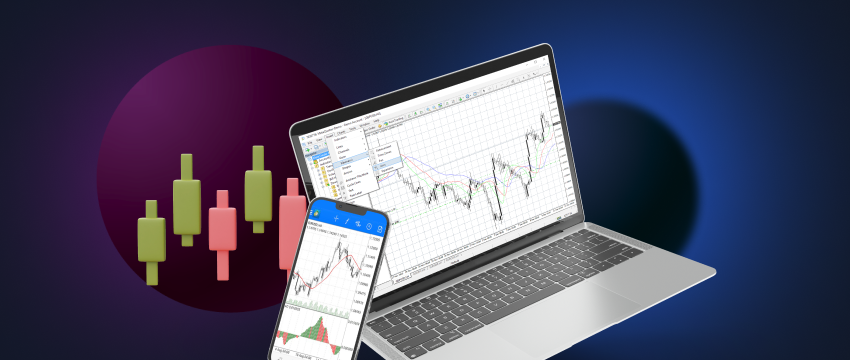
Forex trading, also known as foreign exchange trading, has long been a dynamic platform for investors seeking diversification, liquidity, and global exposure. With the right strategies and disciplined execution, traders can integrate Forex Trading as a core component of a sustainable investment portfolio. This involves understanding market behavior, adopting risk management techniques, and aligning trading approaches with long-term financial goals. Sustainable success in Forex is not built on quick wins but on a well-structured strategy that balances risk and reward, ensuring consistent growth over time.
Understanding the Role of Forex in a Diversified Portfolio
Forex trading offers access to one of the most liquid and active markets in the world. It operates 24 hours a day, allowing investors to engage with currency pairs from multiple economies and time zones. The main appeal of Forex within an investment portfolio lies in its potential to balance risk through diversification. While traditional assets such as stocks, bonds, or real estate are influenced by domestic economic conditions, Forex trading provides exposure to global macroeconomic factors.
This global reach means that a portfolio that includes Forex positions can hedge against currency depreciation or inflation risks affecting domestic investments. For example, if an investor holds assets in a single currency, fluctuations in exchange rates can impact overall returns. Through strategic Forex trading, they can protect or even profit from such movements.
However, incorporating Forex into an investment portfolio requires clarity of purpose. It is not simply about making short-term speculative trades. A sustainable approach involves identifying stable currency pairs, understanding global economic trends, and maintaining disciplined execution to achieve long-term financial objectives.
Key Forex Trading Strategies for Long-Term Portfolio Growth
A sustainable Forex trading approach emphasizes consistency, patience, and adaptability. Several strategies have proven effective for building a strong foundation in currency trading when applied with the right analytical discipline.
1. Trend Following Strategy
Trend following remains one of the most popular and effective Forex trading strategies. The principle behind it is simple: identify a market direction and trade in that direction. When currencies are in a clear upward or downward trend, traders can ride the momentum until signs of reversal appear.
Technical indicators such as moving averages, relative strength index (RSI), and trend lines are useful tools in identifying these trends. The key to success with trend following is patience and timing. Entering too early or exiting too late can reduce profitability. However, with proper analysis and stop-loss planning, this strategy can yield consistent results and support portfolio stability.
2. Swing Trading Approach
Swing trading involves capturing shorter-term movements within broader trends. It is ideal for traders who prefer medium-term strategies rather than intraday trading. This approach focuses on identifying potential reversals or corrections in the market using tools such as Fibonacci retracements, support and resistance levels, and candlestick patterns.
Swing trading contributes to portfolio sustainability because it reduces exposure to market noise. Traders can hold positions for several days or weeks, allowing them to benefit from meaningful price movements without the stress of constant monitoring.
3. Carry Trade Strategy
The carry trade strategy is based on taking advantage of the difference in interest rates between two currencies. In this method, a trader borrows a currency with a lower interest rate and invests in one with a higher rate, earning a profit from the interest rate differential in addition to any potential appreciation in the currency pair.
While this strategy requires a solid understanding of global monetary policy, it can contribute to steady returns over time when managed carefully. It is particularly useful for long-term investors seeking passive income streams from their Forex positions.
4. Range Trading Strategy
Range trading works well in markets that lack a clear trend and instead move within a defined range of support and resistance. Traders buy near support and sell near resistance, using technical indicators like Bollinger Bands or oscillators to identify entry and exit points.
This method is highly suitable for stable markets or during periods of consolidation. By applying stop-loss orders and maintaining strict risk controls, range trading can be a reliable way to generate consistent income while preserving capital.
5. Position Trading for Long-Term Stability
Position trading focuses on long-term trends and fundamental factors. This strategy aligns closely with investors aiming to integrate Forex into a sustainable investment portfolio. Traders hold positions for weeks, months, or even years, based on macroeconomic indicators such as GDP growth, inflation, interest rates, and geopolitical developments.
Position traders often use fundamental analysis as their primary tool, supported by long-term technical patterns. Because of its extended time horizon, this approach requires patience but can deliver significant returns when executed with discipline.
Importance of Fundamental and Technical Analysis
Sustainability in Forex trading is not only about choosing the right strategy but also about understanding the forces that move currency prices. Successful traders combine both fundamental and technical analysis to make informed decisions.
Fundamental analysis examines the underlying economic and political factors that influence currency values. Key indicators include employment data, interest rate decisions, inflation rates, and trade balances. By monitoring these indicators, traders can anticipate potential currency movements before they occur.
Technical analysis, on the other hand, studies price action and market behavior using charts and indicators. It helps identify trends, reversals, and key price levels. Combining these two analytical methods allows traders to build well-informed strategies that support long-term portfolio growth and resilience.
Risk Management: The Foundation of Sustainability
Effective risk management is the cornerstone of any sustainable Forex investment strategy. No matter how accurate a trading approach may seem, market volatility can always introduce unexpected outcomes. Proper risk management ensures that losses are controlled and capital is preserved for future opportunities.
One of the primary tools in risk management is position sizing. Traders should allocate only a small percentage of their total capital to each trade to minimize exposure. Another essential element is setting stop-loss and take-profit levels before entering any position. This prevents emotional decision-making and enforces discipline in trading execution.
Diversification across different currency pairs also helps reduce risk. Instead of concentrating on a single pair, traders can balance exposure across major, minor, and exotic pairs to spread potential losses. Regularly reviewing performance and adjusting strategies based on changing market conditions further enhances sustainability.
Integrating Forex with Other Investment Instruments
For a truly balanced investment portfolio, Forex trading should complement rather than replace other asset classes. While Forex offers liquidity and global reach, other instruments such as equities, bonds, and commodities provide stability and income generation.
Integrating Forex allows investors to take advantage of global macroeconomic cycles. For instance, when stock markets are volatile due to inflation or political uncertainty, Forex traders can capitalize on safe-haven currency movements. Similarly, when commodity prices fluctuate, currencies of resource-rich nations often respond, offering profitable opportunities.
By maintaining a diversified mix of asset classes, investors can ensure that their portfolio remains resilient against both domestic and international market shocks.
The Role of Psychology in Sustainable Forex Trading
Emotional control plays a critical role in achieving long-term success in Forex trading. The volatility of currency markets can test even the most experienced traders. Fear, greed, and impatience often lead to impulsive decisions that can erode profits.
A disciplined mindset, supported by a well-defined trading plan, helps mitigate emotional reactions. Setting realistic expectations, maintaining trading journals, and following pre-established strategies contribute to consistency. Recognizing that losses are part of the process and focusing on long-term performance rather than short-term outcomes are vital for psychological resilience.
Technology and Data-Driven Decision Making
Modern Forex trading has evolved through technology and access to real-time data. Automated trading systems, algorithmic strategies, and artificial intelligence tools can enhance efficiency and accuracy. These technologies allow traders to execute complex strategies with precision, minimizing human error and emotional interference.
However, relying solely on automation without understanding underlying market dynamics can be risky. The most successful traders use technology as a supportive tool rather than a substitute for strategy and analysis. Monitoring automated systems and adjusting parameters according to market conditions ensures sustainable results.
Building a Long-Term Vision in Forex Investment
Sustainability in Forex trading stems from a long-term perspective. Rather than chasing short-lived profits, successful investors focus on consistent growth, capital preservation, and compounding returns. Establishing clear objectives, such as monthly or yearly targets, helps maintain structure and accountability.
Continuous learning also supports long-term success. The global economy and financial markets are constantly evolving. Staying informed about emerging trends, technological advancements, and geopolitical shifts enables traders to adapt strategies and maintain their edge.
Conclusion
Leveraging Forex trading strategies to build a sustainable investment portfolio requires more than just technical skills. It demands discipline, analytical insight, risk control, and emotional balance. By combining strategies such as trend following, swing trading, and position trading with sound risk management and a diversified portfolio approach, investors can create long-term value.
Forex trading offers a unique opportunity to engage with the global financial system, turning market fluctuations into potential growth avenues. Sustainability in this context means consistency, adaptability, and prudence — traits that transform trading from mere speculation into a structured path toward financial independence and stability.