

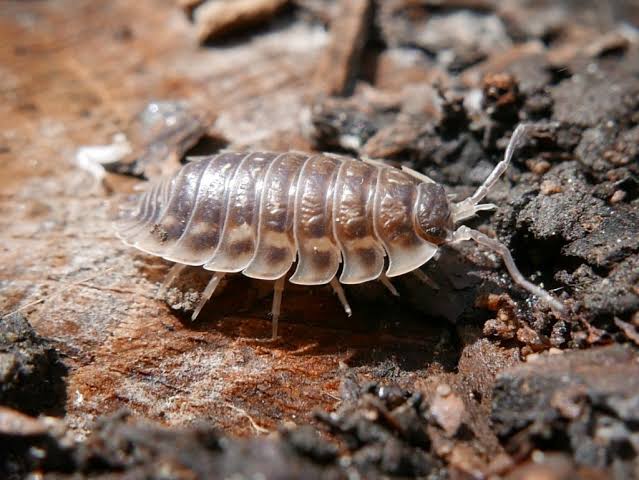
Keeping woodlice healthy depends on regular care for their surroundings and daily necessities. Simple routines aid in keeping appropriate living conditions and support natural behaviour.
The beetle larvae for sale offered could show up in searches for insect maintenance supplies; therefore, reliable information is necessary before choosing any species.
Understanding basic care techniques helps newcomers to carefully choose their options. PostPods educational materials can help to clarify regular checks and enclosure setup without interfering with daily chores. Good instruction also enables keepers to spot minor changes and react accordingly.
Keeping Appropriate Moisture Content
Woodlice need moisture for their proper body activities. Keep a portion of the enclosure damp and let another area be drier.
Giving Natural Hiding Spots
Shelters guard these little creatures. Useful cover for natural activity is provided by parts of bark and fallen leaves.
Checking Conditions of Enclosures Regularly
Simple observations show changes in the enclosure. Before conditions become bad, check moisture levels and clear unwanted waste.
Helping naturally occurring feeding patterns
Woodlice consume mostly dead plant matter. Keep their surroundings clean by providing appropriate organic materials and getting rid of damaged leftovers.
Learning From Reputable Materials
Keepers can better grasp daily maintenance thanks in part to educational resources. Postpods provides a good foundation for understanding responsible handling and habitat requirements.
Developing Regular Daily Routines
A basic plan helps one handle regular inspections more easily. Watch activity without upsetting the enclosure unduly. Regular attention helps prevent unnecessary changes to the living environment and promotes improved care decisions.
Selecting Appropriate Enclosure Materials
Choose materials that keep some moisture but don’t stop airflow. Safe natural surfaces help woodlice move freely and offer cover.
Understanding Alterations in Behaviour
Movement patterns could show variations in temperature or moisture. Before changing the enclosure or its contents, closely note patterns.
Knowing species-specific requirements
Various invertebrates have different living environments. A guide to caring for African fruit beetles can clarify the needs of another species without taking the place of instructions made especially for woodlice.
Maintaining Records of Daily Exams
Written observations enable tracking of enclosure conditions across time. Always record observations so that unusual changes are simpler to identify and interpret.
Promoting Long-Term Care Responsibly
Careful keeping calls for regular learning and patience. When necessary, go over care procedures and change them gradually depending on the notes’ conditions instead of supposition.
In order to properly maintain woodlice, one must make wise decisions and conduct constant observation. An african fruit beetle care guide explains suitable habitat conditions, feeding routines, and basic maintenance practices for keeping these beetles healthy.Keep appropriate wetness and give safe shelter while keeping an eye on the environmental conditions. Handle knowledge gaps with reliable teaching resources. A regular regimen over time preserves the environment and promotes natural behaviour.