


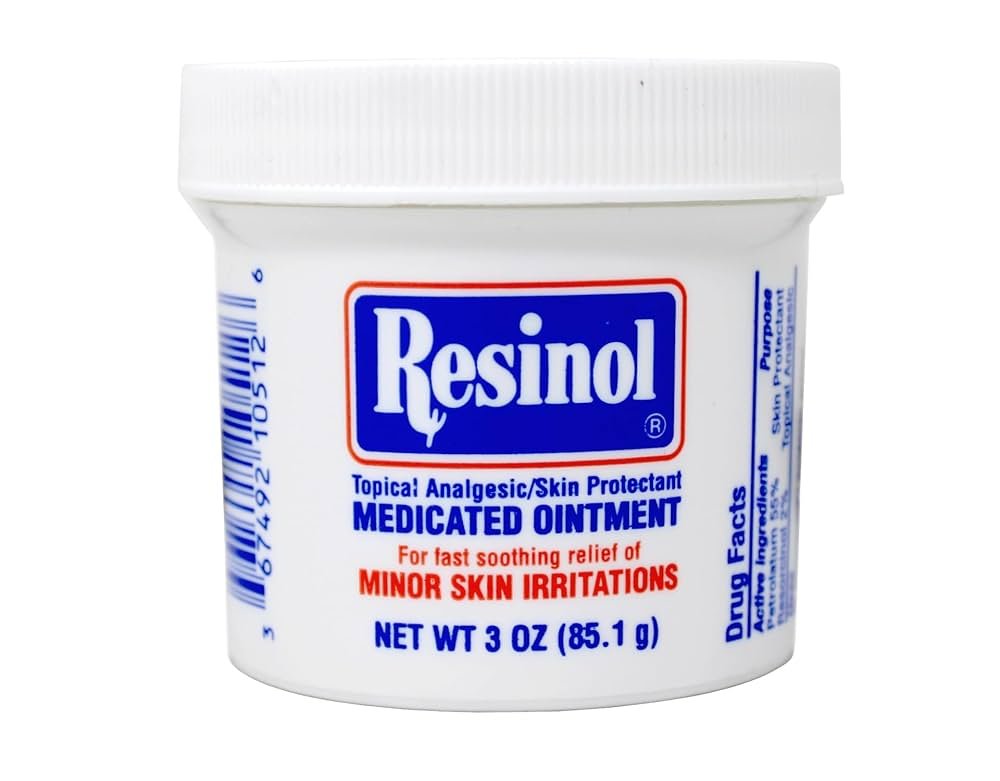
Resinol, the versatile resin-based ointment, holds the answer to a myriad of skincare concerns. Its unique formulation, derived from natural ingredients, makes it a go-to solution for soothing irritations, including diaper rash and minor skin irritations. Developed over a century ago, Resinol continues to stand the test of time, providing relief and healing properties for various skin issues. Let’s delve deeper into the history, benefits, and applications of Resinol in this insightful blog article.

Discovering the Magic of Resinol: A Comprehensive Guide
Welcome, young explorers, to the fascinating world of Resinol! Have you ever wondered about the secrets hidden within this remarkable substance? Join me on a journey as we uncover the mysteries and marvels of Resinol, a magical material with a history as rich and diverse as the colors of the rainbow.
The Origins of Resinol
Let’s start our adventure by delving into the origins of Resinol. Resinol is a natural resin that has been used by ancient civilizations for thousands of years. This sticky substance is derived from trees, where it serves as a protective mechanism against insects and pathogens.
Historically, Resinol has been valued for its versatility and durability. It was highly prized by ancient Egyptians for embalming mummies, and by early Greeks and Romans for crafting beautiful jewelry and intricate works of art.
The Many Uses of Resinol
Resinol’s usefulness knows no bounds! From ancient times to modern days, this remarkable substance has found its way into a myriad of applications. Let’s explore some of the most common uses of Resinol:
1. Traditional Medicine
In traditional medicine, Resinol has been used for its healing properties. It is believed to have anti-inflammatory and antimicrobial effects, making it a popular remedy for skin ailments such as rashes, burns, and insect bites.
2. Adhesives and Sealants
Resinol’s sticky nature makes it an excellent adhesive and sealant. It has been used for centuries in woodworking, bookbinding, and even in the construction of ancient architectural marvels like the Great Wall of China.
3. Art and Crafts
Artists and craftsmen have long appreciated the versatility of Resinol. It can be molded, sculpted, and colored to create stunning pieces of art, jewelry, and decorative objects.
The Science Behind Resinol
Now, let’s take a closer look at the science behind Resinol. This natural resin is composed of complex organic compounds that give it its unique properties. The main components of Resinol are terpenes, which are hydrocarbons found in the essential oils of plants.
Terpenes are responsible for Resinol’s stickiness and adhesive qualities. They also contribute to its pleasant fragrance, which can vary depending on the type of tree from which the resin is derived.
How Resinol is Harvested
Harvesting Resinol is a meticulous process that requires skill and patience. The first step involves making a series of incisions in the tree’s bark to release the resin. The resin then oozes out and hardens upon exposure to air, forming droplets or tears that can be collected and processed.
The collection of Resinol is typically done by skilled harvesters who have a deep understanding of the trees and their natural habitats. Sustainable harvesting practices are essential to ensure the long-term viability of Resinol production.
Modern Applications of Resinol
In today’s world, Resinol continues to play a significant role in various industries. Its unique properties make it a valuable ingredient in products ranging from cosmetics to pharmaceuticals. Let’s explore some of the modern applications of Resinol:
1. Cosmetics
Resinol is commonly used in cosmetic products such as lip balms, perfumes, and hair care products. Its ability to provide texture, adhesion, and fragrance makes it a popular choice among beauty brands.
2. Pharmaceuticals
In the pharmaceutical industry, Resinol is used in the formulation of topical ointments, oral medications, and transdermal patches. Its antimicrobial properties make it an effective ingredient in products designed to treat skin infections and other medical conditions.
3. Food and Beverages
Resinol is also utilized in the food and beverage industry as a natural food additive and flavoring agent. It is commonly found in chewing gum, confectionery products, and alcoholic beverages, where it helps enhance flavor and texture.
Exploring the Magic of Resinol
As we come to the end of our journey through the enchanting world of Resinol, I hope you’ve gained a newfound appreciation for this extraordinary substance. Whether it’s the healing touch of traditional medicine, the industrial applications in modern times, or the artistic allure in crafts and design, Resinol’s magic continues to captivate and inspire us.
So, the next time you encounter a sticky substance or a fragrant aroma, remember the ancient origins and modern marvels of Resinol. Embrace the curiosity and wonder that fuels exploration and discovery, for in the realm of Resinol, endless possibilities await those who dare to dream.
Thank you for joining me on this adventure. Until next time, may the magic of Resinol guide you on your quest for knowledge and inspiration!
Vintage Resinol Medical skin ointment
Frequently Asked Questions
What is Resinol used for?
Resinol is a topical medication primarily used for treating various skin irritations, such as diaper rash, minor burns, and insect bites. It helps to soothe the skin, reduce inflammation, and promote healing.
How should Resinol be applied?
To apply Resinol, clean and dry the affected area first. Then, gently apply a thin layer of the medication and rub it in until it is absorbed by the skin. It is typically recommended to use Resinol 1-3 times daily or as directed by a healthcare professional.
Is Resinol safe for all skin types?
Resinol is generally safe for most skin types, but it is always advisable to perform a patch test on a small area of skin before extensive use, especially for individuals with sensitive skin or known allergies. If any irritation or adverse reaction occurs, discontinue use and consult a healthcare provider.
Final Thoughts
Resinol is a versatile skincare ingredient. Its soothing properties make it effective for treating various skin conditions. Incorporating resinol-based products into your skincare routine can help improve overall skin health. Experience the benefits of resinol for yourself and say goodbye to skin irritations.